
Business Software Inventory That Changes Everything
In the dynamic world of modern enterprises, staying ahead requires more than just ambition—it demands smart solutions that seamlessly integrate into your business operations. Imagine a universe where every software asset is accounted for, managed, and optimized to its fullest potential. Welcome to the era of Business Software Inventory That Changes Everything, a transformative approach that reinvents how we perceive and utilize technology in the corporate realm.
Embark on a journey where outdated systems are left behind, and innovation paves the path to efficiency and clarity. With business software inventory, you not only gain control over your digital tools but also unlock a treasure trove of insights that propel decision-making, cost-efficiency, and compliance to new heights. Get ready to explore the hidden potentials that could redefine your business landscape.
Introduction to Business Software Inventory
In an era where digital transformation steers the wheels of success, understanding and managing business software inventory has become paramount. It’s not just about having the right tools but knowing precisely what you have at your disposal.
Business software inventory refers to the meticulous tracking and management of software applications used within an organization. This practice is crucial as it ensures compliance, maximizes software value, and guards against potential security vulnerabilities. In today’s fast-paced digital landscape, maintaining a clear and comprehensive inventory is invaluable.
Unveiling the Evolution of Software Inventory Systems
The last decade has witnessed a dramatic transformation in how enterprises handle software inventories. Gone are the days of manual logs and spreadsheets; the digital shift has introduced sophisticated automated systems that provide real-time insights and analytics. These contemporary systems can now integrate seamlessly with existing IT infrastructure, providing a holistic view of software assets across various departments and locations.
Moreover, the rise of cloud computing and SaaS models has prompted these systems to evolve, accommodating a diversity of platforms and licensing structures. This evolution aligns with the growing need for agility and scalability in business operations.
Challenges Faced by Businesses Without Effective Software Inventory
For businesses operating without a robust software inventory management system, the path is fraught with challenges. Inefficient tracking can lead to unauthorized software usage, resulting in non-compliance with licensing agreements and hefty fines. Additionally, without a clear inventory, identifying outdated or redundant software becomes a daunting task, leading to increased costs and security risks.
Consider the following potential issues:
- Hidden costs due to unused software licenses.
- Increased vulnerability to cyber threats.
- Loss of competitive edge due to outdated technology.
- Time-consuming audits and reconciliations.
“A well-managed software inventory is the backbone of a secure and efficient enterprise.”
Key Features of Transformative Business Software Inventory
In the dynamic world of business, having a transformative software inventory system can be the catalyst that propels your company to new heights. These systems are designed not only to manage inventory but to revolutionize how businesses operate, making processes smoother and more efficient.
What sets these systems apart are their key features that ensure they go beyond the ordinary. Let’s delve into the essential components that make these systems truly transformative.
User-Friendly Interfaces and Robust Reporting Tools
One of the hallmarks of an effective business software inventory is a user-friendly interface. This ensures that team members at all levels can navigate and utilize the software without extensive training. Additionally, robust reporting tools allow for comprehensive data analysis, helping businesses to make informed decisions quickly and confidently.
- Intuitive Navigation: Easy-to-use dashboards and clear menu options streamline operations.
- Customizable Views: Users can tailor screens to display only the most relevant information.
- Advanced Analytics: Detailed reporting capabilities that offer insights into inventory trends and patterns.
- Interactive Visualizations: Graphs and charts that make data interpretation straightforward and accessible.
Seamless Integration Capabilities
Another critical feature of transformative business software inventory systems is their ability to integrate seamlessly with other business systems. This capability ensures that all aspects of the business are interconnected, leading to streamlined operations and increased efficiency.
| Integration Type | Benefits |
|---|---|
| ERP Systems | Ensures real-time data synchronization across departments, reducing discrepancies. |
| CRM Systems | Provides sales teams with up-to-date inventory levels, enhancing customer service. |
| Supply Chain Management | Optimizes procurement processes and inventory replenishment strategies. |
“The right integration means your business flows effortlessly, like a well-oiled machine, leaving no room for errors.”
Benefits of Implementing Advanced Software Inventory Systems
In today’s fast-paced business environment, keeping a precise count of your software assets can make all the difference. Advanced software inventory systems are not just about tracking what you have—they are about transforming your business operations.
These systems bring a new level of efficiency that can significantly enhance decision-making processes, paving the way for more strategic planning and execution. Incorporating such technology can propel your business forward, opening doors to innovations and operational excellence.
Enhancing Business Efficiency and Decision-Making
Imagine a world where every decision is backed by solid data and every process is streamlined for maximum efficiency. That’s the reality with advanced software inventory systems. By providing a comprehensive overview of software usage and licensing, these systems empower businesses to make informed choices that are aligned with their operational goals. The result? Faster response times, diminished errors, and a team that can focus on what truly matters: growth and innovation.
Cost-Saving Benefits Through License Management and Compliance
One of the standout features of advanced inventory systems is their ability to drive down costs, especially through effective license management. Say goodbye to over-purchasing licenses and hello to optimal usage. These systems ensure that you are always compliant with vendor agreements, preventing costly fines and ensuring smooth operations. Over time, the savings accumulated from avoiding unnecessary expenditures can be substantial, directly impacting your bottom line.
The Impact of Real-Time Data Analytics on Inventory Management
In the age of information, staying ahead means having access to real-time insights. Advanced inventory systems offer real-time data analytics, allowing businesses to monitor software performance, usage trends, and potential vulnerabilities as they happen. This proactive approach not only helps in mitigating risks but also provides a strategic advantage in planning future software needs. With up-to-the-minute data at your fingertips, your business can swiftly adapt to changing market dynamics, ensuring you remain a step ahead of the competition.
Case Studies of Businesses Revolutionized by Software Inventory
In today’s fast-paced business world, maintaining an accurate and efficient software inventory can truly revolutionize operations. Let’s delve into real-life examples where businesses have dramatically transformed their processes by adopting cutting-edge software inventory systems.
These case studies not only highlight the power of modern software inventories but also offer a glance into how diverse industries have harnessed these tools to overcome challenges and boost productivity.
Retail Giants Optimize Inventory Management
Retail companies operate in a highly competitive environment where efficiency is key. Implementing a robust software inventory system has allowed these giants to streamline their operations significantly. For instance, a leading retail chain witnessed a 30% reduction in overstock and a 20% increase in order fulfillment speed.
Before implementing the software inventory system, the retail chain struggled with overstocked warehouses and delayed shipments, leading to customer dissatisfaction. Post-implementation, their operations became visibly smoother and more efficient.
Healthcare Sector Enhances Accuracy and Compliance
In the healthcare industry, precision and compliance with regulations are of utmost importance. A renowned hospital network faced severe challenges with outdated inventory systems, leading to errors in medication tracking. By adopting an advanced software inventory system, they achieved near-perfect inventory accuracy and significantly improved regulatory compliance.
Prior to this transformation, the hospital network’s inventory errors were causing adverse patient outcomes and regulatory fines. After the software upgrade, accuracy improved by 95%, ensuring patient safety and compliance.
Manufacturing Industries Experience Cost Reduction
Manufacturers are constantly striving to reduce costs while maintaining high quality. A case study of a global manufacturing company revealed that after implementing a software inventory system, they managed to cut down inventory costs by 25% and reduce waste considerably.
The manufacturing company initially faced issues with excess inventory and high waste levels. After deploying the software, they reported a dramatic decrease in costs and improved efficiency throughout their supply chain.
Comparison of Sector Benefits from Software Inventory
Different sectors have reaped varied benefits from implementing software inventory systems. Below is a comparison highlighting key improvements across retail, healthcare, and manufacturing.
| Sector | Key Benefit | Improvement Percentage |
|---|---|---|
| Retail | Order Fulfillment Speed | 20% |
| Healthcare | Inventory Accuracy | 95% |
| Manufacturing | Cost Reduction | 25% |
How to Choose the Right Business Software Inventory for Your Needs
Choosing the perfect business software inventory can be the secret weapon that launches your operations into the stratosphere. Let’s embark on a step-by-step journey to find the right fit for your unique business needs.
Understanding your business requirements is the cornerstone of selecting software that will streamline your operations and skyrocket efficiency. By focusing on the essentials, you ensure that the system you choose today will be the foundation of your success tomorrow.
Understand Your Business’s Specific Needs
Before diving into the ocean of software options, take a moment to reflect on what your business truly needs. Analyze your inventory management challenges and highlight pain points that need addressing. Consider the following:
- Current inventory size and complexity
- Future growth projections and scalability
- Integration with existing systems
- Budget constraints
Features to Look for in a Business Software Inventory
Once you’ve pinpointed your needs, it’s time to zoom in on the features that will support them. Here are some key features to consider:
- Real-time tracking and reporting
- Automated alerts and notifications
- User-friendly interface
- Customizable dashboards
- Robust security measures
Evaluate Options Based on Business Size
Businesses come in all shapes and sizes, and so should your software inventory. Here’s a quick rundown based on business size:
- Small Businesses: Look for cost-effective solutions with essential features and scalability.
- Medium Businesses: Consider more robust solutions with advanced tools and integration capabilities.
- Large Enterprises: Opt for comprehensive systems that offer extensive customization and dedicated support.
Comparison of Software Features vs. Business Requirements
To make the decision-making process easier, consider using a comparison table to match software features with your business requirements:
| Feature | Small Business | Medium Business | Large Enterprise |
|---|---|---|---|
| Real-time Tracking | Basic | Advanced | Comprehensive |
| Integration | Limited | Moderate | Extensive |
| Customization | Low | Medium | High |
Choosing the right software inventory is not just a decision; it’s a strategy for success.
Future Trends in Business Software Inventory
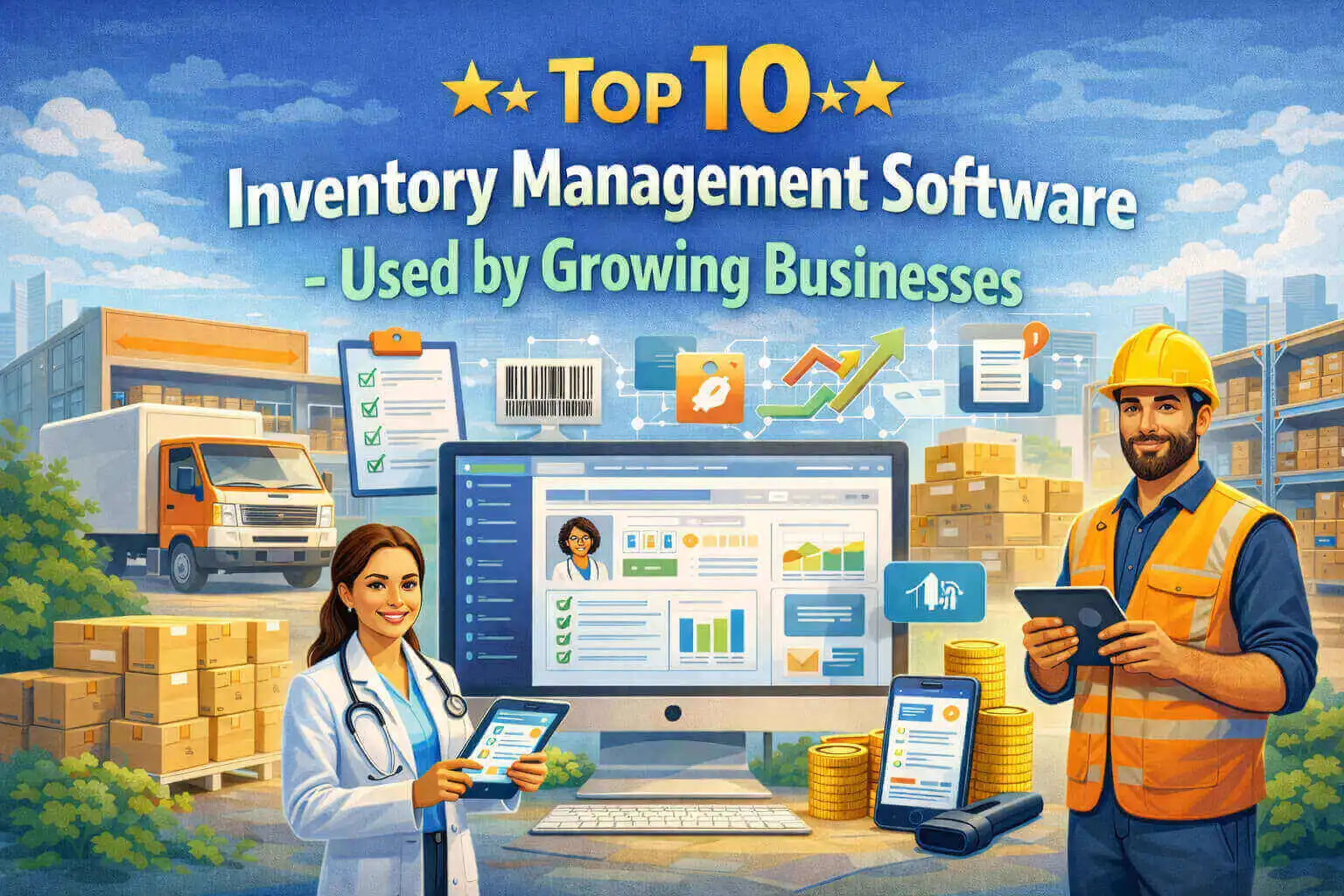
As the digital landscape continues to evolve, businesses are increasingly seeking innovative solutions to optimize their software inventory. The future is brimming with transformative technologies poised to revolutionize the way organizations manage their resources.
From the integration of cutting-edge AI to the seamless scalability of cloud-based systems, the horizon is filled with possibilities that promise to enhance efficiency and drive growth.
Emerging Technologies Impacting Software Inventory Systems
The advent of emerging technologies is reshaping the business software inventory landscape. Innovations such as the Internet of Things (IoT) and blockchain are paving the way for unprecedented levels of connectivity and security. By embedding IoT sensors within inventory systems, businesses can achieve real-time tracking and monitoring, ensuring that they maintain optimal control over their assets. Meanwhile, blockchain technology offers an immutable and transparent ledger, bolstering confidence in software license compliance and transaction accuracy.
AI and Machine Learning in Inventory Management
Artificial intelligence and machine learning are at the forefront of this digital revolution, offering unparalleled capabilities in data analysis and predictive modeling. These technologies empower businesses to automate routine tasks, forecast demand with precision, and make data-driven decisions that align with strategic goals. With AI’s ability to sift through vast amounts of data at lightning speed, companies can uncover valuable insights, optimize their inventory levels, and minimize wastage. The integration of machine learning algorithms means that inventory systems can adapt and improve over time, becoming smarter and more efficient with each interaction.
Cloud-Based Solutions and Their Scalability
The shift to cloud-based inventory solutions is redefining scalability and flexibility for businesses of all sizes. By leveraging the power of the cloud, companies can seamlessly scale their inventory systems to accommodate growth without the constraints of physical infrastructure. This transition not only enhances accessibility but also ensures that businesses can respond swiftly to market changes and consumer demands. The cloud’s inherent flexibility allows for real-time collaboration across various departments and locations, fostering a more interconnected and dynamic operational environment.
In the future, the key to business success will be the ability to adapt and embrace these technological advancements, ensuring that software inventory systems remain agile and ahead of the curve.
Summary
As we wrap up this insightful exploration into Business Software Inventory That Changes Everything, it’s clear that the future belongs to those who embrace the power of innovative technology. By integrating advanced inventory systems, businesses can achieve unparalleled efficiency, cost savings, and strategic clarity. Don’t let your enterprise be left in the digital dust—take the leap towards a smarter, more organized future and witness the transformation unfold before your eyes.