
Inventory Software For Business Makes Life Easier
Imagine a world where your business operations hum like a well-oiled machine, where chaos is tamed, and efficiency reigns supreme. This is not a distant dream but an achievable reality with the right inventory software. Designed to revolutionize the way businesses manage their stock, inventory software is your secret weapon for mastering control over every item in your warehouse.
From small startups to large enterprises, inventory software transforms business operations by automating the mundane and elevating the essential. It’s time to embrace a smarter way of managing inventory that not only saves time and reduces errors but also energizes your entire business ecosystem. Let this guide be your compass as we delve into the wonders of inventory software, the ultimate tool to make your business life easier.
Understanding Inventory Software
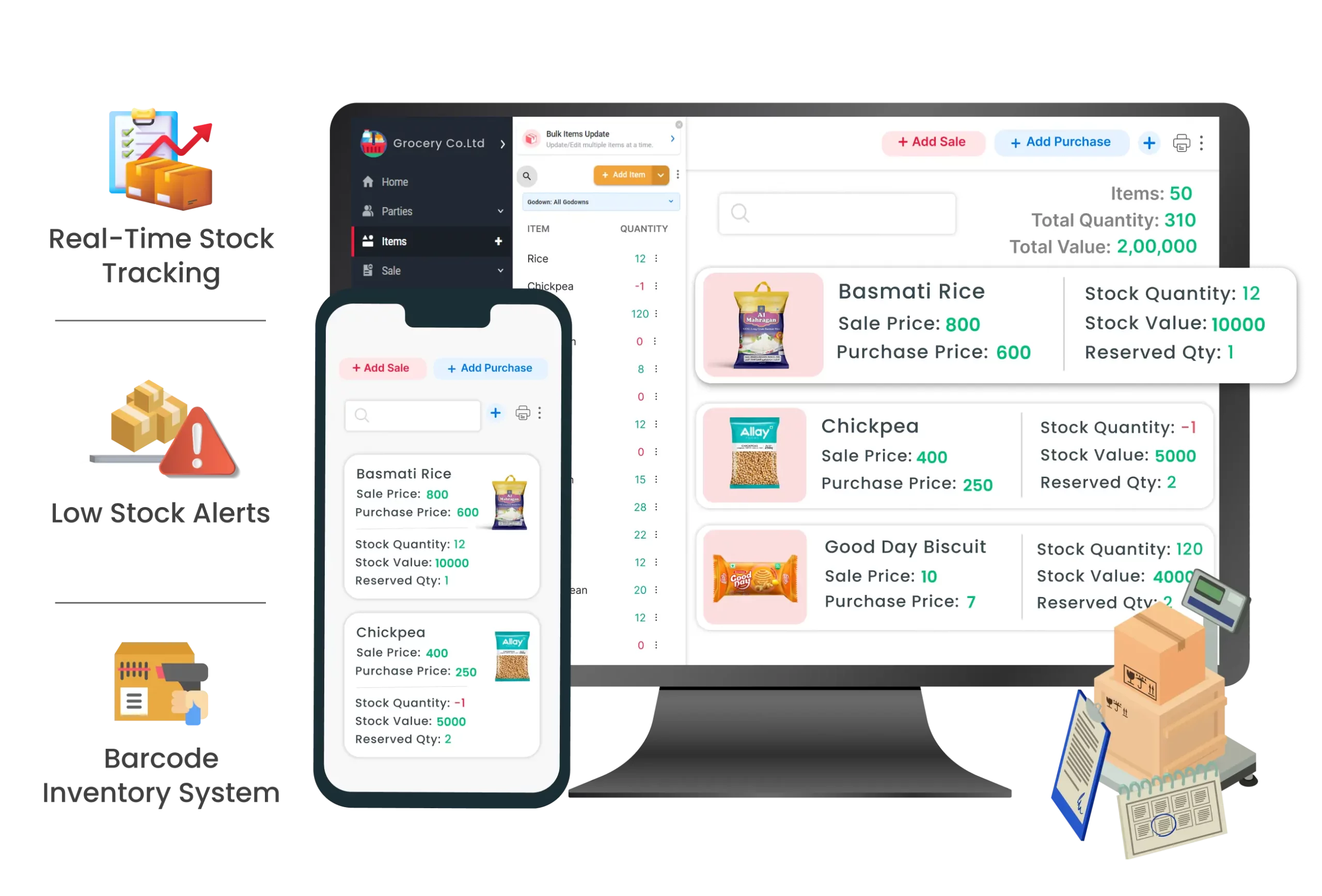
Inventory software can be the unsung hero of business operations, quietly optimizing processes and enhancing efficiency. By precisely managing stock levels, inventory software not only keeps your business organized but also contributes to increased profitability.
At its core, inventory software automates and simplifies the process of tracking and managing inventory. It allows businesses to monitor stock levels, manage item listings across multiple channels, and analyze sales patterns. This real-time insight helps businesses prevent overstocking or stockouts, ensuring they have the right products available when needed.
Core Functions of Inventory Software
Inventory software serves as the backbone of a company’s operational success. The core functions typically include:
- Tracking stock levels and inventory movement in real-time.
- Integrating with sales channels to update product availability automatically.
- Generating detailed reports to forecast demand and plan restocking.
- Managing purchase orders and supplier relationships effectively.
Types of Inventory Software Available
With a variety of needs across industries, inventory software comes in different forms. Let’s explore some common types:
| Type | Description |
|---|---|
| Standalone Inventory Software | Focused solely on inventory management functions, ideal for small businesses. |
| Integrated ERP Systems | Combines inventory management with other business processes like accounting and human resources. |
| Cloud-based Solutions | Provides flexibility and accessibility, allowing users to manage inventory from anywhere. |
| Open Source Platforms | Offers customizable options for businesses with specific needs and technical expertise. |
Streamlining Business Operations with Inventory Software
Inventory software can revolutionize business operations by optimizing the supply chain. It offers:
- Reduced manual errors and time spent on inventory tasks, freeing up resources for strategic activities.
- Enhanced visibility into stock levels, enabling proactive decision-making.
- Seamless integration with other business systems to ensure a unified flow of information.
- Improved customer satisfaction through better order fulfillment and accurate stock updates.
Components of a User-Friendly Interface
A user-friendly inventory software interface should prioritize simplicity and functionality. Key components include:
- Intuitive navigation with clearly labeled menus and options.
- Customizable dashboards to display relevant metrics at a glance.
- Accessible reporting tools that allow quick generation of insights.
- Responsive design ensuring compatibility across various devices.
“A streamlined interface is not just about appearance; it’s about enhancing productivity and ensuring ease of use.”
Benefits of Inventory Software
In today’s fast-paced business world, staying ahead of the competition requires efficiency and accuracy. Inventory software is the game-changer that helps businesses streamline their operations and achieve more with less effort.
By integrating technology into inventory management, companies can unlock a multitude of benefits, transforming potential challenges into opportunities for growth and success.
Enhanced Inventory Accuracy and Error Reduction
Inventory software revolutionizes the way businesses manage their stock by providing real-time data insights. With features like barcode scanning and automated tracking systems, the margin for human error is drastically reduced. This means fewer discrepancies in stock levels and a more reliable inventory count. Improved accuracy in inventory management leads to better decision-making and increased trust from stakeholders.
Time Management and Efficiency Boost
Time is money, and inventory software offers businesses the ability to save both. By automating routine tasks such as order tracking, restocking alerts, and inventory audits, employees can focus on more strategic activities rather than being bogged down by manual entry and calculations.
- Faster order processing
- Seamless integration with existing systems
- Real-time inventory updates
- Reduced need for manual intervention
These enhancements not only improve operational efficiency but also enhance customer satisfaction by ensuring prompt delivery and accurate order fulfillment.
Cost Savings Achieved Through Effective Inventory Software
One of the most compelling advantages of using inventory software is the substantial cost savings it can provide. By optimizing stock levels and reducing waste, businesses can significantly lower their overhead costs. For instance, a mid-sized retailer was able to cut their holding costs by 25% within the first year of incorporating inventory software.
| Aspect | Before Inventory Software | After Inventory Software |
|---|---|---|
| Holding Costs | High | Reduced by 25% |
| Stockouts | Frequent | Rare |
| Employee Hours | Excessive | Optimized |
These examples highlight how effective inventory management can lead to significant financial gains, making the investment in such software a strategic choice for any business aiming for sustainability and growth.
Features of Effective Inventory Software
In the fast-paced world of business, having effective inventory software is not just a luxury but a necessity. Let’s delve into the key features that make inventory software a game-changer for businesses.
Understanding the essential features of inventory software can help businesses streamline their operations, reduce errors, and maximize efficiency. Each feature, from basic tracking to advanced analytics, serves a pivotal role in ensuring that stock levels are optimized and operations run smoothly.
Essential Features for Every Business
An inventory software worth its salt should include real-time tracking, automated reorder notifications, and reporting tools that provide insights into sales trends and stock levels. These features are fundamental in enabling businesses to maintain a competitive edge.
Comparing Inventory Management Tools
Not all inventory management tools are created equal. Here’s a comparison of some popular options:
| Software | Real-time Tracking | Automated Reorder | Custom Reports |
|---|---|---|---|
| StockGenie | ✔ | ✔ | ✘ |
| InvMaster | ✔ | ✔ | ✔ |
| TrackWise | ✘ | ✔ | ✔ |
Advanced Features for Industry-Specific Needs
Advanced features in inventory software can significantly benefit specific industries. For example, batch and expiry date tracking is crucial for pharmaceuticals, while serial number tracking is invaluable in electronics. These specialized features cater to the unique requirements of different industries, ensuring compliance and enhancing efficiency.
Customization Options in Modern Inventory Solutions
Today’s inventory software is not one-size-fits-all. Businesses can enjoy a range of customization options, from dashboard personalization to integration with existing systems. This flexibility allows companies to tailor the software to their precise needs, fostering a more intuitive and effective user experience.
Integration with Other Business Systems
In the fast-paced world of business, having software systems that talk to one another is no longer a luxury—it’s a necessity. Integrating inventory software with other core business systems can unlock new levels of efficiency and accuracy.
Without integration, businesses can fall into the trap of siloed information, which can lead to costly errors and inefficiencies. Seamless integration allows for data to flow effortlessly between systems, providing a comprehensive overview of your operations and enabling smarter decision-making.
Connecting Inventory Software with Accounting, Sales, and CRM Systems
Inventory software that integrates with your accounting, sales, and CRM systems can create a powerhouse of operational excellence. Let’s explore how these connections work:
| System | Integration Benefit |
|---|---|
| Accounting | Automatic updates of COGS and revenue recognition, reducing manual entry errors. |
| Sales | Real-time stock levels allow for accurate sales forecasts and demand planning. |
| CRM | Enhances customer satisfaction through timely delivery and proactive communication. |
Integrating these systems not only streamlines processes but also enhances data integrity across the board.
Examples of Successful Integration Case Studies
Consider the success story of a retail chain that connected their inventory software with their sales and CRM platforms.
By achieving real-time visibility into stock levels across all stores, they reduced out-of-stock incidents by 30% and improved customer satisfaction scores significantly.
Another example is a manufacturing company that integrated inventory management with their accounting software, resulting in a 25% time reduction in financial reporting processes.
Workflow Demonstrating Seamless Integration
Imagine a scenario where a customer places an order through your CRM. The order automatically updates your inventory software, reducing the available stock. This change instantly reflects in your sales platform, ensuring that sales teams can provide accurate delivery estimates. The accounting system records the transaction, updating financials in real-time.
- Customer Order Initiation through CRM
- Automatic Inventory Update
- Real-Time Sales Platform Synchronization
- Seamless Financial Record Adjustment
Such a workflow not only enhances operational efficiency but also contributes to a more responsive and agile business environment, ensuring you stay ahead of the competition.
Selecting the Right Inventory Software
Embarking on the journey to find the perfect inventory software can seem daunting, but fear not! With the right approach, you can find a solution that not only meets your business needs but also propels you toward greater efficiency and success.
In this section, we’ll delve into the essential factors and considerations that ensure you select the optimal inventory software for your business landscape.
Understanding Your Unique Business Needs
Every business is unique, and so are its inventory management needs. Begin by conducting a comprehensive assessment of your current inventory processes. Identify pain points, inefficiencies, and areas in need of improvement. Consider aspects such as the size of your inventory, the complexity of operations, and specific industry requirements that might influence your choice. Don’t forget to involve team members from various departments to get a holistic view of your needs.
Key Criteria for Evaluating Software Options
When evaluating inventory software, pay close attention to certain key criteria to ensure a wise investment:
- Usability: The software should be user-friendly, with an intuitive interface that minimizes the learning curve for your team.
- Functionality: Look for features that align with your identified business needs, such as real-time tracking, reporting tools, and automated ordering.
- Cost-effectiveness: Consider both the initial investment and ongoing costs, including subscription fees and potential upgrade expenses.
- Customer support: Reliable customer service can be a lifesaver; ensure the vendor offers robust support options.
Tips for Successful Implementation and Onboarding
Implementing new inventory software smoothly requires careful planning and execution. Start by developing a clear implementation roadmap with defined milestones and timelines. Educate and involve your team early in the process, providing comprehensive training sessions and resources. Encourage feedback and be ready to make adjustments as needed to ensure everyone is comfortable with the new system.
Long-term Considerations and Scalability
When selecting inventory software, think about the future. Will the software scale as your business grows? Consider long-term factors such as:
| Factor | Considerations |
|---|---|
| Scalability | The ability to handle increased inventory volume and complexity as your business expands. |
| Integration | Ensure the software integrates seamlessly with your existing systems and future technologies. |
| Updates | Regular software updates and improvements from the vendor can keep your system modern and efficient. |
“Selecting the right inventory software is not just about solving today’s challenges, but about paving the way for tomorrow’s opportunities.”
Future Trends in Inventory Software
In the rapidly evolving landscape of inventory management, staying ahead requires embracing cutting-edge trends and technologies. As businesses seek more efficient and intelligent ways to manage their inventories, several transformative trends are emerging.
From artificial intelligence to blockchain, the future of inventory software promises not only to optimize operations but also to revolutionize how businesses perceive their supply chains.
The Role of AI and Machine Learning
Artificial intelligence and machine learning are poised to be game-changers in the realm of inventory management. By integrating AI, businesses can anticipate demand with precision, reducing overstock and stockouts effectively. As noted by industry experts,
“AI-driven insights transform raw data into actionable strategies, enhancing decision-making and operational efficiency.”
Blockchain’s Impact on Inventory Management
Blockchain technology offers a new level of transparency and security in inventory management. By utilizing blockchain, each transaction and movement within the supply chain can be recorded immutably, ensuring trust and verifiability at every stage. This decentralized approach reduces the risk of fraud and errors, providing businesses with a resilient and tamper-proof system.
Development and Influence of Mobile Solutions
The rise of mobile solutions has significantly influenced inventory software, making it more accessible and user-friendly. Mobile applications allow managers and employees to oversee inventory operations from anywhere at any time. This mobility ensures that real-time updates and alerts are constantly at their fingertips, facilitating rapid responses to any changes in inventory status.
Final Summary
As we stand on the brink of an era defined by technological advancement, inventory software emerges as a trusted ally in the business world. It promises not just to simplify operations but to empower businesses to reach new heights of success. By integrating seamlessly with existing systems and adapting to future demands, inventory software ensures your business is not just surviving but thriving. So, take the leap, harness the power of inventory software, and watch as your business transforms into a powerhouse of efficiency and agility, making your life easier and your business stronger.