
Inventory Systems For Businesses That Save Your Sanity
In a world where every minute counts and efficiency is the ultimate currency, managing inventory can make or break a business. Imagine a seamless system that not only keeps track of every item but also forecasts future needs and maximizes profitability. Welcome to the transformative world of inventory systems, where chaos is replaced by clarity, and businesses are empowered to thrive.
Picture this: a bustling store with shelves full of products, each item perfectly accounted for, and never a customer turned away due to stockouts. Inventory systems are not just about counting items; they are the backbone of operational success, ensuring that businesses not only meet but exceed customer expectations. Let us guide you through the essential knowledge that will revolutionize how you view inventory, turning potential challenges into remarkable opportunities.
Importance of Inventory Systems
In the fast-paced world of business, where every second counts, having an efficient inventory system can be the key to success. It acts as the backbone for operations, ensuring that products are available when and where they’re needed, all while keeping costs under control.
Efficient inventory systems do more than track products; they empower businesses to make data-driven decisions, optimize storage, and streamline supply chains. Without such systems, companies risk overstock, stockouts, and ultimately, customer dissatisfaction.
How Efficient Inventory Systems Propel Business Success
Imagine a world where you no longer lose sleep over missing stock or unhappy customers. Efficient inventory systems alleviate these concerns by providing real-time data and insights. They allow businesses to predict customer demand more accurately, reducing waste and improving customer satisfaction. With automation, businesses can cut down labor costs and improve accuracy, allowing staff to focus on more strategic tasks.
Consequences of Poor Inventory Management
On the flip side, poor inventory management can lead to disastrous consequences. Overstock ties up capital and increases storage costs, while stockouts result in lost sales and damaged reputation. These pitfalls can severely hinder a business’s growth and profitability.
Consider a retail chain that struggled to keep popular items on shelves. Due to inefficient inventory practices, they frequently lost sales to competitors. By revamping their inventory system, they not only improved their bottom line but also enhanced customer loyalty.
Transformation Stories: Real-World Examples
Many businesses have experienced remarkable turnarounds by simply improving their inventory systems. One notable example is a mid-sized electronics retailer that cut its inventory carrying costs by 30% after implementing a just-in-time inventory model. Another is a fashion brand that reduced delivery times by 40%, enhancing their competitive edge in a saturated market.
“Revolutionizing inventory processes can be the catalyst for unprecedented growth and efficiency.”
The Evolution of Inventory Systems
Inventory systems have come a long way from manual logs to sophisticated digital solutions. The journey from pen and paper to AI-driven analytics reflects the evolving needs of the business landscape. Historically, businesses relied heavily on spreadsheets, which were prone to errors and inefficiencies. Today’s systems provide seamless integration with other business processes, offering a holistic approach to management and planning.
With the advent of cloud computing and IoT, inventory systems are now more robust, scalable, and accessible, enabling businesses to respond to market changes swiftly and effectively.
Types of Inventory Systems
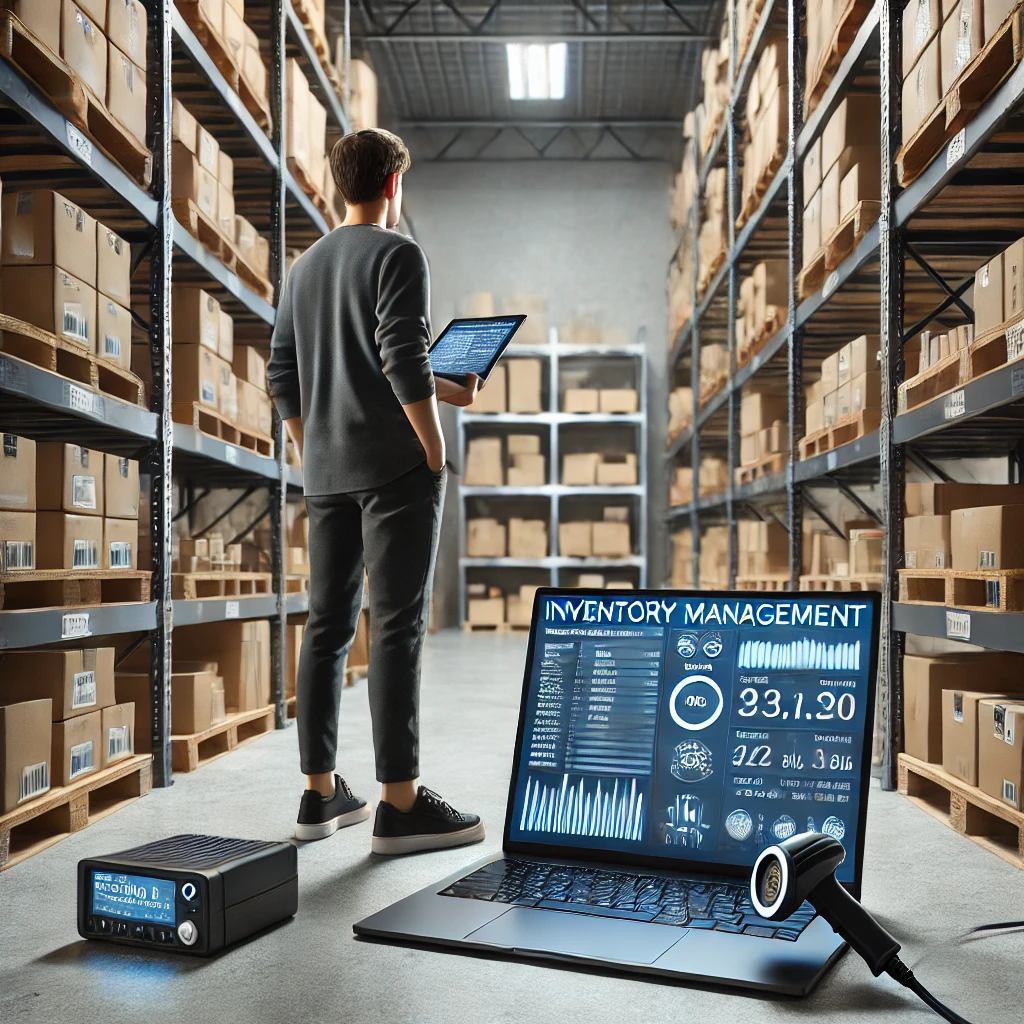
Choosing the right inventory system is crucial for maintaining the balance between supply and demand in your business operations. Let’s explore these systems and find the perfect fit for your business size and needs.
Inventory systems range from simple manual processes to sophisticated automated solutions. Understanding the various types and their applications can transform your business efficiency and decision-making.
Comparing Inventory Systems for Different Business Sizes
When it comes to inventory systems, size matters. Small businesses often opt for manual systems due to budget constraints, while larger enterprises benefit from automated solutions that handle complexity with ease.
- Manual Inventory Systems: Ideal for small businesses with limited stock, these systems involve physically counting inventory and recording data by hand.
- Automated Inventory Systems: Suitable for medium to large businesses, these systems use software and technology to track inventory in real-time, reducing human error and increasing efficiency.
Pros and Cons of Manual vs. Automated Systems
Both manual and automated systems have their unique advantages and drawbacks. Your choice should align with your business goals and resources.
- Manual Systems: Low cost and simple to operate but time-consuming and prone to errors.
- Automated Systems: High initial investment with significant long-term savings, as they offer real-time data and insights.
Innovative Inventory Systems in the Market
Innovation in inventory systems is shaping the future of business operations. Today’s market offers a range of cutting-edge solutions that optimize inventory management and boost productivity.
“The most advanced inventory systems not only track stock but also predict trends and automate replenishments.”
- RFID Technology: Uses radio waves to track inventory levels, offering accurate and real-time updates.
- Cloud-Based Systems: These systems provide access from anywhere, allowing for seamless remote management.
| Type | Features | Advantages | Best-fit Business Sectors |
|---|---|---|---|
| Manual | Physical Counting | Low Cost | Small Retailers |
| Automated | Real-Time Tracking | High Efficiency | Manufacturing & Distribution |
| RFID Systems | Radio Frequency | High Accuracy | Large Warehouses |
| Cloud-Based | Remote Access | Scalable | Global Enterprises |
Implementing Inventory Systems
Transitioning to a new inventory system can feel daunting, yet it’s a crucial step in streamlining business operations. This guide will walk you through the process, ensuring a smooth and successful implementation.
Every business is unique, and so is its approach to implementing inventory systems. Let’s delve into the essential steps needed to bring these systems to life within your organization.
Step-by-Step Process of Implementation
Embarking on the journey of implementing an inventory system requires careful planning and execution. Here’s a structured approach:
- Assess Current Inventory Management: Determine the strengths and weaknesses of your current system to identify specific needs.
- Select the Right System: Choose an inventory system that aligns with your business goals and integrates well with existing technology.
- Set Clear Objectives: Define measurable goals to track the success of the new system.
- Plan the Rollout: Develop a timeline that includes key milestones and deadlines, ensuring minimal disruption to operations.
- Conduct a Pilot Test: Implement the system in a controlled environment to troubleshoot potential issues.
- Full-Scale Implementation: Gradually roll out the system across the organization, using insights from the pilot test.
- Monitor and Adjust: Continuously monitor the system’s performance and make necessary adjustments to optimize efficiency.
Common Challenges and Solutions
Implementing a new inventory system isn’t without hurdles. Here are some challenges you may face and strategies to overcome them:
- Resistance to Change: Overcome this by involving staff in the selection process and highlighting the benefits of the new system.
- Technical Difficulties: Employ a dedicated IT team to manage technical aspects and provide support during the transition.
- Data Migration Issues: Ensure data integrity by performing thorough checks and backups before migration.
- Training Overload: Break down training into manageable segments to prevent overwhelming staff.
Best Practices for Staff Training
Training staff effectively is crucial for the success of the new inventory system. Consider these best practices:
- Interactive Training Sessions: Use simulations and hands-on exercises to make learning engaging and practical.
- Continuous Support: Offer ongoing help through guides, FAQs, and a dedicated support team.
- Feedback Loops: Encourage employees to provide feedback on the training process and use this to enhance future sessions.
- Role-Specific Training: Tailor training sessions to suit different roles within the organization, ensuring relevance and applicability.
Designing a Successful Rollout Timeline
A well-designed timeline is the backbone of a smooth inventory system implementation. Consider this structure:
| Phase | Duration | Key Activities |
|---|---|---|
| Preparation | 1-2 months | Needs assessment, system selection, objective setting |
| Pilot Testing | 1 month | Pilot implementation, initial staff training |
| Full Rollout | 2-3 months | System deployment, extensive training, initial evaluations |
| Optimization | Ongoing | Performance monitoring, continuous improvement |
“The key to a seamless transition is not just in the planning, but in the adaptability and resilience of your team.”
Technology and Inventory Systems
In the ever-evolving world of business, technology has become the backbone of modern inventory systems, transforming them into efficient, precise, and highly adaptive structures. As businesses seek to streamline operations, technology is the catalyst propelling inventory management into the future.
Modern technology is not merely a tool but a strategic partner in inventory management. It automates tasks, enhances accuracy, and provides real-time data, which are pivotal for making informed decisions. This blend of technology and inventory systems creates a seamless environment where businesses can thrive without the chaos of outdated practices.
The Impact of AI and IoT on Inventory Management
Artificial Intelligence (AI) and the Internet of Things (IoT) are revolutionizing the landscape of inventory management. AI brings predictive analytics into play, allowing businesses to anticipate demand, optimize stock levels, and reduce waste. It can analyze vast datasets to uncover patterns that humans might overlook. Meanwhile, IoT introduces a network of interconnected devices that provide real-time insights and automated restocking alerts, ensuring inventory never falls short or exceeds demand.
Consider a retail giant deploying IoT-enabled smart shelves that track inventory levels and notify the system when restocking is necessary. This technology not only minimizes human error but also boosts efficiency by maintaining optimal stock levels.
Businesses Leveraging Technology for Inventory Optimization
Numerous businesses are harnessing the power of technology to enhance their inventory processes. Retailers like Walmart and Amazon utilize AI algorithms to predict buying trends and manage logistics with unparalleled precision. Meanwhile, companies like Zara use RFID tags, a form of IoT technology, to keep track of inventory across their stores globally, ensuring that products are always available when and where customers need them.
Technological Tools Enhancing Inventory Accuracy
Today’s businesses have access to a plethora of technological tools designed to enhance inventory accuracy. These tools are essential for maintaining an efficient and error-free inventory system.
- Barcode Scanners: Streamline inventory tracking by quickly inputting data.
- RFID Systems: Provide precise stock tracking and reduce manual counting errors.
- Cloud-based Software: Offers real-time inventory data and analytics accessible from anywhere.
- Automated Replenishment Systems: Automatically trigger purchase orders when stock falls below a preset level.
Integrating technology into your inventory systems is not just an upgrade—it’s a necessity for businesses aiming to remain competitive and efficient in today’s fast-paced market.
Benefits of Inventory Systems
Imagine a world where your business operations flow effortlessly, where customer satisfaction is at its peak, and financial gains are no longer a distant dream. This world is not a fantasy; it becomes a reality with effective inventory systems.
Inventory systems are the backbone that supports the harmonious balance between supply and demand, maintaining the rhythm of your business. They go beyond mere record-keeping, transforming the chaotic flow of goods into a symphony of efficiency and precision.
Enhancing Customer Satisfaction through Precision
An organized inventory system ensures that products are available when your customers need them. No more stockouts or overselling; customers walk away happy, increasing loyalty and repeat business. The precision with which inventory systems operate means your shelves are always stocked with what the customer desires, paving the way for stellar customer experiences.
Financial Advantages of Streamlined Inventory Systems
Cost efficiency is at the heart of any successful business strategy. Through reduced holding costs, decreased spoilage, and optimized stock levels, inventory systems contribute significantly to your bottom line. They free up capital that can be better invested in other growth areas of your business, turning inventory from a liability into a valuable asset.
Business-specific Benefits
Different businesses derive unique advantages from inventory systems. Here’s a breakdown of benefits tailored to specific business types:
| Business Type | Direct Benefits | Indirect Benefits |
|---|---|---|
| Retail | Reduced stockouts, increased sales | Improved customer loyalty, enhanced brand reputation |
| Manufacturing | Optimized production schedules | Better supplier relationships, reduced waste |
| Distribution | Efficient warehouse management | Quicker order fulfillment, increased client satisfaction |
| eCommerce | Real-time stock tracking | Enhanced customer service, seamless operations |
Future Trends in Inventory Systems
As we stand on the brink of a new era in business operations, inventory systems are evolving at an unprecedented pace. The future promises even greater integration, efficiency, and sustainability.
Businesses must prepare for transformative changes that could redefine how inventory is managed, optimized, and leveraged for strategic advantage.
The Rise of AI and Machine Learning in Inventory Management
Artificial Intelligence (AI) and Machine Learning (ML) are no longer just buzzwords. They are becoming integral components of modern inventory systems. These technologies enable more accurate demand forecasting, real-time tracking, and dynamic pricing models. AI-powered systems can identify patterns that humans might miss, leading to smarter inventory decisions and reduced waste.
Sustainability as a Core Principle
With growing awareness about environmental responsibility, sustainability has become a key driver in inventory management practices. Companies are increasingly adopting processes that reduce ecological footprints, such as optimizing routes to minimize fuel consumption or using sustainable packaging. The future will see even more emphasis on eco-friendly strategies to meet consumer expectations and regulatory requirements.
Seamless Integration with Business Ecosystems
The future of inventory systems lies in their ability to seamlessly integrate with various business processes like sales, procurement, and customer service. This holistic approach will allow for better synchronization across departments, ensuring that all facets of a business are aligned and working towards common goals. Automation will play a pivotal role in achieving this integration, reducing manual errors and improving efficiency.
The Visionary Landscape of Inventory Management
Looking ahead, the inventory systems landscape is set to become a dynamic and interconnected web. Imagine a world where inventory is not just a backend operation but a strategic partner in business success. Blockchain technology may offer unprecedented transparency and security, while IoT devices provide granular control over stock levels. This visionary future promises that inventory systems will not just support business operations but drive innovation and growth.
Summary
As we conclude this journey through the landscape of inventory systems, it’s clear that mastering this aspect of business can unlock unprecedented levels of efficiency and satisfaction. By embracing modern technology and innovative practices, businesses can not only meet current demands but also anticipate future needs with unmatched precision. So, take the step towards a more organized, profitable future, and let inventory systems save your sanity while propelling your business forward.